
Popular
Table games at a glance
Casino table games use different combinations of dice, cards, and player choices, so learning the basic turn structure can make a game easier to follow. In craps and sic bo, wagers concern the results of dice rolls; card games vary in whether players choose an outcome, arrange cards, or decide what to keep. The available decisions also differ: some games follow fixed dealing rules, while video poker gives the player a strategic choice after the initial deal. Comparing particular wagers helps show why the game name alone does not determine the cost of play.
Craps, baccarat and card games
In craps, a shooter rolls two dice, and players choose among wagers on the roll or the point established by an opening roll. A practical reference here is NV Casino free spins. The core Craps rules center on selecting a bet before the dice move and following how later rolls resolve that bet.
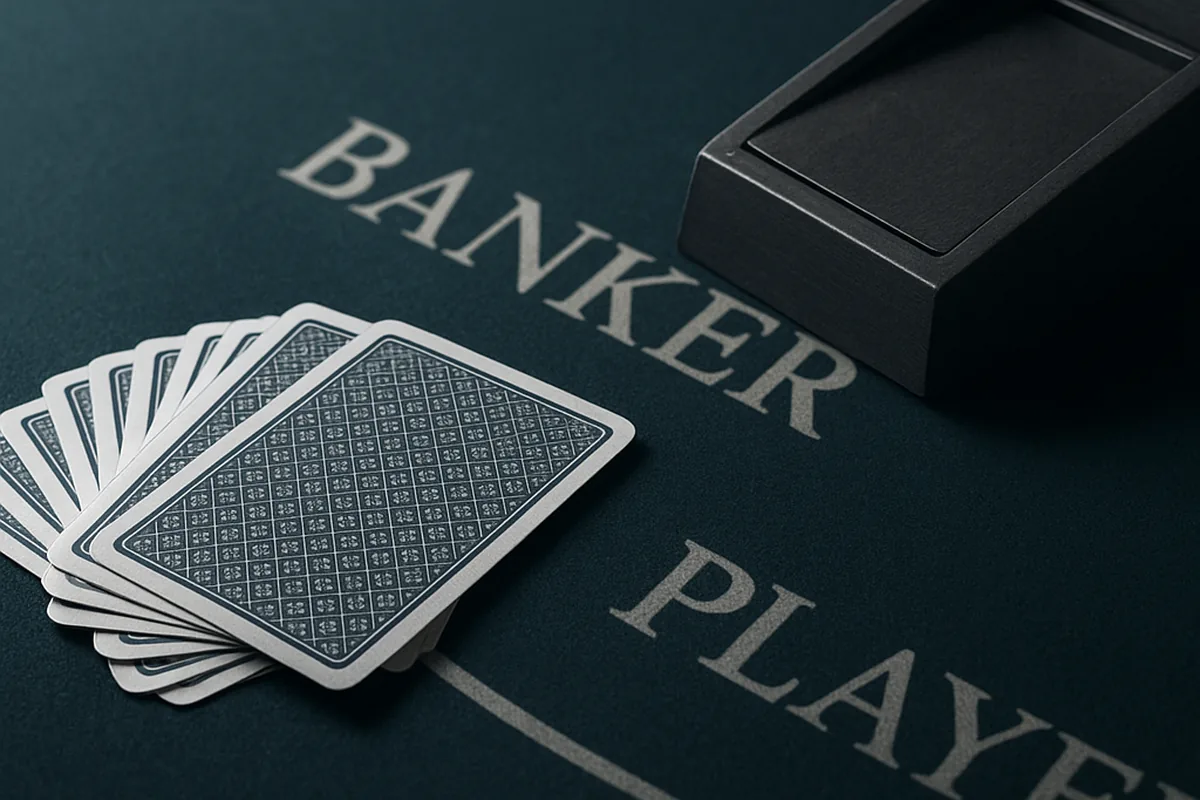
Baccarat deals cards to a Player hand and a Banker hand, and the player chooses which outcome to back, including a tie. Baccarat card values run from zero for tens and face cards to their pip value for cards from two through nine, while aces count as one.
In three card poker, the player and dealer each receive three cards, and the player decides whether to make a play wager after seeing their hand or fold. A separate Pair Plus wager, where offered, is based on whether the player’s cards form a qualifying combination.
Pai gow poker deals seven cards to each player, who arranges them into a five-card high hand and a two-card low hand. The decision is how to set those hands against the dealer’s arrangement while keeping the high hand stronger than the low hand.
Dice games and video poker
Sic bo uses three dice shaken in a covered container, with wagers placed on results such as big or small, a total, or a particular combination. The player chooses which result to predict before the dice are revealed; a big or small bet concerns whether the total falls within the table’s stated range.
Video poker deals five cards from a virtual deck, then lets the player hold any cards and discard the rest for replacements. The main decision is which cards to keep in pursuit of a paying hand under the machine’s displayed paytable.
Unlike a wager resolved entirely by a dice outcome, video poker includes a skill element: choosing holds in line with an optimal strategy can affect the game’s expected return. Paytables matter too, so a full-pay 9/6 Jacks or Better machine does not offer the same return as a version with reduced payouts, even when both use the same basic deal-and-draw format.
Comparing games by house edge
House edge is the average share of each stake the casino keeps over the long run. It is not a prediction for a single session: short-term results can differ widely from the average, and the figure applies to the specified wager and conditions.
These commonly cited best standard bets illustrate how much the wager and, for video poker, the paytable and strategy can matter:
| Game | Best standard bet | House edge |
|---|---|---|
| Craps | Pass line | 1.41% |
| Baccarat | Banker, after 5% commission | 1.06% |
| Video poker | Full-pay 9/6 Jacks or Better, with perfect strategy | 0.46% |
| Three card poker | Ante-play | About 3.37% |
| Pai gow poker | Standard player wager | About 2.5%; higher for a player who never banks |
| Sic bo | Big or small | 2.78% |
The figures are not interchangeable across every version of a game: the stated video poker edge depends on its full-pay 9/6 paytable and perfect strategy, while baccarat’s Banker figure includes the 5% commission. The wager matters more than the game label when comparing these options. Of the listed bets, full-pay 9/6 Jacks or Better video poker has the lowest house edge at 0.46% with perfect strategy, because its paytable and optimal card choices produce the smallest long-run casino share shown here.

Casino terms every beginner meets
Casino table games use a compact vocabulary for expected returns, money at the table and the way wagers settle. Knowing these definitions makes a posted payout or dealer announcement easier to interpret. The figures below describe mathematical expectations or common procedures, not a promise about an individual session. Rules and credit procedures can vary by casino and game.
House edge, RTP and variance
These three terms describe different parts of a wager’s mathematical profile: expected return, casino advantage and the spread of results.
- House edge: The house edge is the casino’s theoretical advantage on a wager over many plays. A 1.41% edge averages $1.41 retained per $100 wagered.
- RTP: Return to player (RTP) is the theoretical portion of total wagers returned to players over time. A 1.41% house edge corresponds to 98.59% RTP.
- Variance: Variance describes how widely actual results can differ from their average. A wager with rare large payouts can have bigger swings than frequent small payouts.
- Long-run meaning: The $1.41 average from a $100 wager does not predict a single result; one player may win or lose more during a short session.
House edge and RTP are two expressions of the same expected return, while variance describes fluctuations around it.
Table and chip vocabulary
These terms identify the funds a player brings, how cash becomes playing chips and the equipment used to hold cards.
- Bankroll: A bankroll is the amount of money set aside for gambling. For example, a player might designate $200 as a session bankroll.
- Buy-in: A buy-in means exchanging cash for chips at the table. Handing the dealer $100 and receiving chips is a $100 buy-in.
- Chip rack: The chip rack is the divided tray at a table where the dealer keeps chips. Its compartments help separate chip denominations.
- Marker: A marker is a casino credit instrument a player signs to receive chips without paying cash immediately. Repayment follows the casino’s credit terms.
- Shoe: A shoe is a device that holds cards for dealing. A baccarat shoe holds several decks, often six or eight, depending on the game setup.
A bankroll is the player’s allocated funds; the rack, marker and shoe refer to distinct table equipment or transaction tools.
Bet and payout vocabulary
Dealers and payout displays use these terms to distinguish a returned stake, a fee, a wager’s mathematical price and complimentary benefits.
- Push: A push is a tie between player and house in which the stake is returned. For example, a tied hand can leave the original wager intact.
- Commission: A commission is a fee deducted from a winning wager. In baccarat, a casino may charge 5% on a winning Banker bet; rules vary.
- Odds bet: In craps, an odds bet can be placed behind a Pass Line wager after a point is established. It pays true odds.
- True odds: True odds reflect the actual probability of an outcome, so a bet paid at true odds carries no house edge.
- Paytable: A paytable lists available wagers and their payouts. For instance, it shows the amount returned for a specified winning hand or bet.
- Comp: A comp is a complimentary benefit offered by a casino, such as a meal credit. Eligibility and value depend on the casino’s program.
A posted payout or fee determines how a winning wager is settled; a comp is separate from the wager’s result.
Casino etiquette at the table
Table procedures vary by game and casino, so take a moment to observe before joining a live game. A clear buy-in, careful handling of equipment, and attention to the dealer’s calls help keep play orderly. Rules for cards and dice can differ between games, making it sensible to follow the specific table’s instructions. These casino etiquette tips focus on practical conduct at the table.
Joining a table and buying in
Approach the table without interrupting a hand, then wait until a seat is open and the dealer indicates that you can join. Buying in follows a simple sequence, though the minimum and maximum amounts vary by casino and game.
- Wait beside the table until a seat opens; avoid standing in a position that blocks players or the dealer from seeing the layout.
- Before sitting, check the posted minimum and maximum buy-in, then confirm with the dealer if the sign or limits are unclear.
- Place your cash flat on the felt in front of you, where the dealer can see it; do not pass bills directly into the dealer’s hand.
- Leave the money visible and untouched while the dealer counts it and announces the amount of change, allowing other players to hear the transaction.
- Wait for the dealer to pass your chips across the layout, then bring them to your playing position without reaching over another player’s bets.
- If the chips or announced amount seem incorrect, say so before placing a wager and ask the dealer to check the exchange.
The dealer’s announcement makes the amount of the exchange clear before play begins. Keep your cash separate from the chips you have received, and do not place a bet until the buy-in is complete. If you are unsure where to sit, which denomination to request, or when a wager can be made, ask the dealer at a pause in play. A short question is easier to answer before the next hand or roll than while a decision is underway. Casinos can use different procedures for exchanging cash, so follow the dealer’s directions rather than copying a transaction at another table.
Handling chips, cards and dice
Keep your hands off the layout while cards are being dealt or dice are in motion. In blackjack and other card games, reaching into the betting area can obscure a wager or be mistaken for a change to it. Wait until the dealer has completed the deal and gives players a chance to act before moving chips. At a craps table, avoid touching the betting layout during a roll; the shooter and other players need a clear view of the dice and bets.
In games where players receive face-down cards, use one hand only to hold your cards. Lift them carefully at the edge and keep them low over the table, without turning them toward other players or exposing them to people nearby. Do not use both hands to shield, bend, or rearrange the cards. Some games deal cards face up or require players not to handle them at all, so follow the dealer’s instructions for that particular game rather than assuming every table permits the same handling.
When shooting craps, keep the dice on the table and do not touch them with both hands. Handle them only when it is your turn and follow any direction the dealer gives about the roll. A throw that sends a die off the table or into another player can pause the game while the crew retrieves it. Use a controlled toss that stays within the table’s boundaries; do not scoop up dice during an active roll or move them after they have landed.
Chips also belong in clear view. Avoid stacking them on top of a live wager or moving a bet after the dealer has called “no more bets.” If you are uncertain whether a deal or roll is complete, leave the cards, dice, and chips where they are until the dealer confirms the next action.
Tipping, phones and conduct
In the United States, tipping casino dealers is customary but optional. Players may tip when they choose, and the amount and timing are personal rather than a fixed requirement. Casino procedures for placing a tip can vary by game, so ask the dealer how to do it if the method is not clear. A tip should not be presented as payment for a favorable outcome or as a way to influence how a hand is dealt.
Keep your phone put away while seated at the table. Calls, messages, and camera use can distract players and interfere with the pace of a live game; some casinos also set specific restrictions on device use near gaming areas. If you need to take a call or check a message, step away from the table rather than handling the device beside the cards, chips, or dice. Do not photograph or record other players without their permission.
During a hand, do not give betting advice to another player or ask someone to tell you what to bet. Unsolicited comments can distract a player who is making a decision, while requests for advice can delay the action and create disagreement about responsibility for a choice. Keep conversation away from another player’s active decision, and let each person make their own wager or play. If a rule or procedure is unclear, address the dealer rather than turning the hand into a group debate.
Keep your comments brief enough that the dealer can announce actions and other players can follow the game. Avoid criticizing someone’s decision after the result is known; a lost bet does not make a personal remark useful. If you disagree about what happened, describe the specific action calmly and let the dealer or floor supervisor handle the ruling. This keeps discussion focused on the game rather than on another player’s choices.
Responsible play
Gambling is risky, and legal age requirements vary: US commercial casinos generally require players to be 21, while some tribal casinos allow play at 18; check local law before visiting. A clear spending cap and a planned end time can help keep a casino session within the limits you choose. Notice changes in your decisions, finances, or daily routines rather than judging a session only by whether you won or lost. The guidance below covers setting practical limits and recognizing signs that gambling may be taking more than you intended.
Set a budget before you sit down
Choose a total amount for the session before leaving home, using only money left after rent, utilities, food, transportation, debt payments, and other necessities are covered. Treat the amount as entertainment spending, like the cost of a show or dinner, rather than money you expect to earn back. If losing the full amount would affect a bill or create stress the next day, lower the cap or skip the session. Never gamble with money needed for bills. Set a loss limit below or equal to that session budget and decide in advance what will happen when you reach it: stop playing, cash out any remaining chips, and leave the gaming area. A limit works only if it is firm. Do not raise it after a losing streak, make another withdrawal, borrow from a companion, or use a credit card cash advance to continue. Keeping the session funds separate from bill money, such as in a dedicated cash envelope, can make the boundary easier to see. A budget also needs a time boundary. Decide when you will arrive and when you will leave, then set a phone alarm or another reminder for the end time. A planned break, for example after an hour, can give you a chance to check the time and compare your remaining funds with the original cap. Do not extend the visit simply because a table is busy, a game is close to ending, or a recent result feels as though it should be followed by a win. Keep the limit independent of the outcome of any individual hand, roll, or round. A win does not increase the amount you can afford to lose, and a loss does not create a reason to recover money by playing longer. Systems that change bet size or select particular wagers do not remove the built-in advantage held by the casino. A game with a house edge cannot be beaten in the long run; short-term results can vary, but no betting pattern turns the underlying odds into a reliable source of income. Before play, make a simple plan for any winnings as well as losses. For example, decide whether you will stop when the session ends or set aside a specific portion of a win instead of returning it to play. Keep track of spending during the visit rather than estimating it afterward; note cash exchanged, additional purchases, and any separate fees. The most workable limit is one set while calm, based on money genuinely available for entertainment, and followed without adding funds mid-session.
Signs that play is becoming a problem
Changes in behaviour can be an early indication that gambling is becoming difficult to control. Notice if thoughts about the next visit or the next bet are taking up much of the day, or if you repeatedly stay longer than planned. Other signs include increasing stakes to get the same excitement, returning quickly after a loss, or feeling restless or irritable when trying to cut back. Repeatedly deciding to stop and then restarting is also worth taking seriously. Look at what happens outside the casino as well. Missing work, classes, family plans, or sleep because of gambling can show that it is displacing important parts of daily life. Secrecy is another warning sign: hiding visits, deleting transaction records, or giving misleading explanations about where money went can make it harder for others to notice the impact. Feeling preoccupied with a previous session or planning ways to get back to play despite commitments may also signal a loss of control. Financial changes can include using rent or grocery money, missing payments, overdrawing an account, borrowing from friends, or taking out loans to continue gambling. Chasing losses—returning or increasing stakes in an effort to recover money already lost—can deepen financial strain without changing the odds. Selling possessions, using credit for gambling, or repeatedly asking others to cover shortfalls are further reasons to pause and seek support. These signs matter even if gambling is occasional or a session sometimes ends with a win. If several changes are occurring, tell someone you trust what has been happening and consider contacting a trained support service. In the United States, the National Council on Problem Gambling confidential helpline is 1-800-GAMBLER (1-800-426-2537). Sharing specific details, such as missed payments, time spent playing, or attempts to stop, can make it easier to explain what support is needed. A trusted person can also help you put distance between yourself and further gambling while you decide on next steps.